Fake Palworld storefronts and bootleg cards
Two different frauds target Palworld TCG buyers, and only one of them is actually happening. The live one is the fake storefront: a website dressed as a marketplace you already trust, on a domain that is not that marketplace's. The other — counterfeit cards — is a real problem in other card games, but as of 2026-08-03 we have not found a single reported case of a counterfeit Palworld card anywhere in the community. Both checks are below. Start with the storefront one.
Fraud checks updated as of 2026-08-03, reviewed by hand against public community reports. Skip to the counterfeit-card checks.
The live threat: fake marketplace storefronts
The pattern is old, and it is currently pointed at this game. Someone registers a domain that reads like a well-known card marketplace, copies its look, fills it with real product names at attractive prices, and buys advertising so the copy appears above the genuine site in search results. The listings are decoration; the checkout is the product. What you actually hand over is a card number, and often the goods never ship at all.
Palworld is an unusually good target for it. The game launched worldwide on 2026-07-30 into heavy demand, and the largest English card marketplace does not carry a Palworld category yet — so a buyer searching for one has no authentic destination to land on, and a sponsored copy fills the gap. The absence of the real thing is the attack surface.
The instances documented so far
| Lookalike domain | Brand copied | Reported | How it surfaced |
|---|---|---|---|
tcgplayer.com.de |
TCGplayer | 2026-08-01 | A buyer who ordered three booster boxes after following a sponsored ad reported that his bank raised a fraud alert on the charge, and that the payment showed up under an unrelated business name. Other readers in the same thread said they had nearly bought from the same site, and named the domain. r/PalworldTCG discussion, 2026-08-01 |
tcgplayer.com.vc |
TCGplayer | 2026-08-03 | A buyer posted that he had ordered a booster box from what he believed was TCGplayer; other members of the group identified the site as a copy, and he said he was contacting his bank. Palworld collector group post, 2026-08-03 |
Two distinct domains in three days is a campaign, not one bad website — assume there are more, and assume the next one ends in something else. One reader summed the near-miss up: That's a fake tcgplayer website I almost fell for the same scam.
— a reader in the 2026-08-01 thread linked above.
What this page is and is not saying. We are describing domains and a pattern, from public reports, with the sources linked so you can read them yourself. We have not identified who operates these sites and we make no claim about any individual or company. The brand being copied is the target of the impersonation, not a party to it — its real address is tcgplayer.com, and we do not link to any storefront, genuine or otherwise.
The tells
- The domain suffix, read from the right. This is the whole trick. A browser reads a domain from the end: the site at
tcgplayer.comand a site ending in.com.deor.com.vcare completely unrelated properties owned by completely different people. Anything can be bolted onto the left of a name you recognise. Read the address bar backwards, one dot at a time, and stop at the last two pieces — those are the ones that decide who is actually taking your money. - You arrived from an advertisement. Every instance above entered through a sponsored placement. Paid placement is bought, not earned — being at the top of the results page is not evidence of anything. Type a marketplace's address yourself, or use a bookmark you made when you knew you were in the right place.
- A legitimate retailer's name in the creative. The ads in these campaigns have been observed reusing real, unrelated shops' names and imagery. Seeing a store you have heard of inside an advertisement tells you nothing about who runs the checkout page that ad leads to.
- The price is under the real sold range. This is the tell you can check with hard numbers, and it is the one this site exists to give you. Right now a sealed Palworld BP01 Booster Box resells for — the complete source-backed estimator-basis set is listed on that page. A storefront offering the same sealed product at a fraction of what it demonstrably resells for is not a deal that slipped through — it is the bait. Look the product up in the ladder below before you believe a price.
- Payment methods with no way back. Bank transfer, "friends and family" balance transfers, gift cards, cryptocurrency and direct debit all settle with no chargeback route. A checkout that steers you off card payment, or that asks for card details on a page whose address does not match the shop you thought you were on, has told you what it is.
- The charge lands under a different name. A statement descriptor that has nothing to do with the shop is a documented feature of this pattern, and it is often the first thing a bank's fraud system notices. If your bank asks you about the charge, take the question seriously rather than confirming it away.
- "In stock" that isn't. Related and much more common than outright fraud: a site takes orders for stock it does not have, and the badge on the product page never changes. That one is usually an oversold preorder rather than a scam, but the buyer's position is the same — money out, nothing shipped, and a refund fight. Treat an in-stock badge as a claim, not a fact, and keep the recourse a card payment gives you.
The check before you pay
- Read the address bar, right to left. The last two pieces of the domain are the site's real identity. If they are not the ones you expected, close the tab — nothing further on the page matters.
- Reach the marketplace on your own. Type the address or use your own bookmark, then search for the product there. If the product does not exist on the real site, an advertisement offering it was never going to end well.
- Price it against completed sales. Check the sealed ladder below, or the product's own page here, and see what it actually sold for. A price far under the sold range is the strongest single warning you will get before paying.
- Pay by card, never by transfer. Keep the chargeback. If the checkout will not take one, that is the answer.
- If you already paid, contact your bank or card issuer first — same day if possible — and treat any fraud alert they raise as information rather than an obstacle.
Know what a sealed product actually is
A lot of "was I scammed?" turns out to be a buyer who could not tell a shortfall from a normal delivery, because nobody publishes what the units contain. A carton is not a box; a box is not a case. Here is the whole sealed ladder we track, with the sold median over each product's priced window — the same completed-sale gate as every other price on this site:
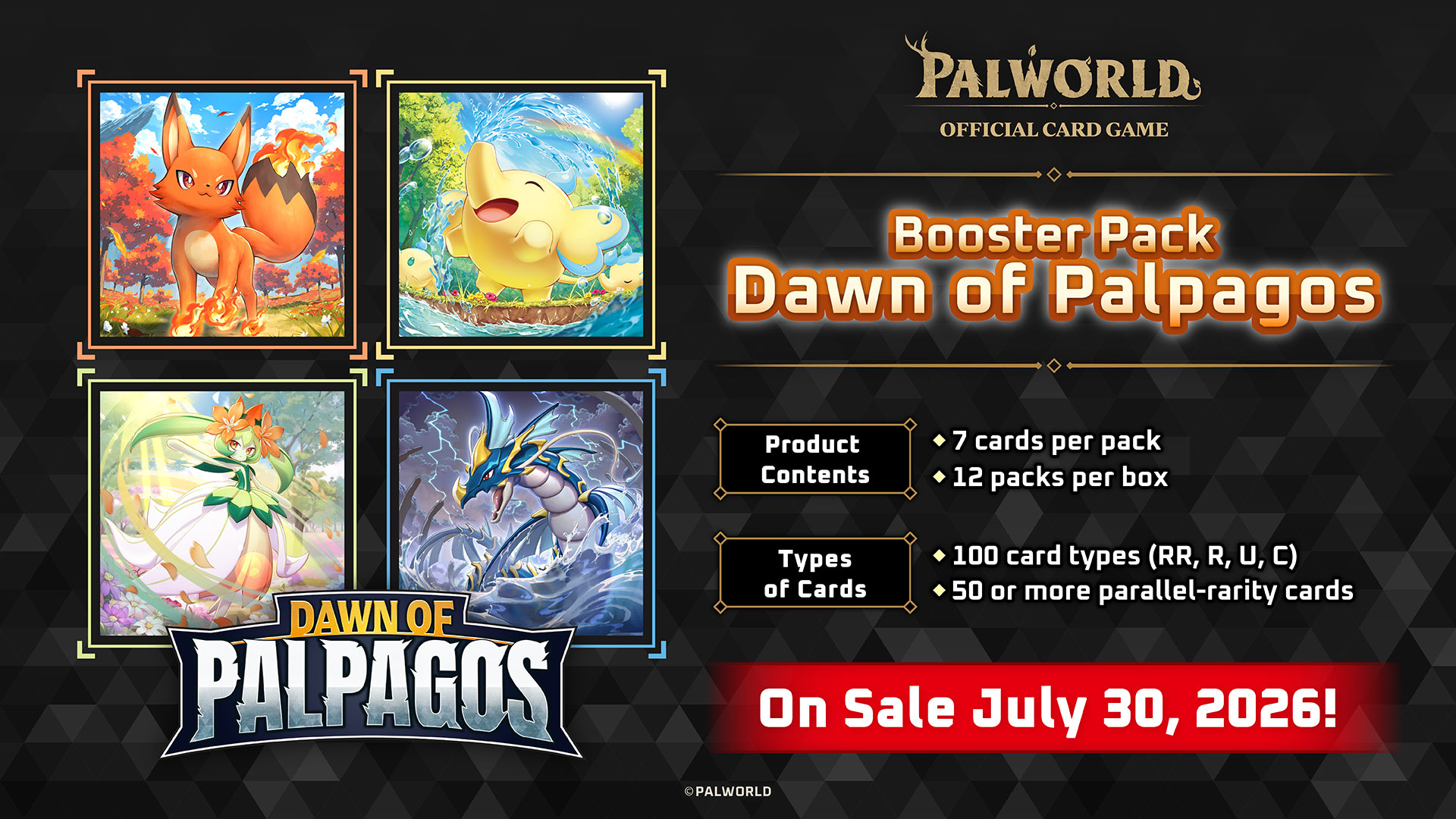


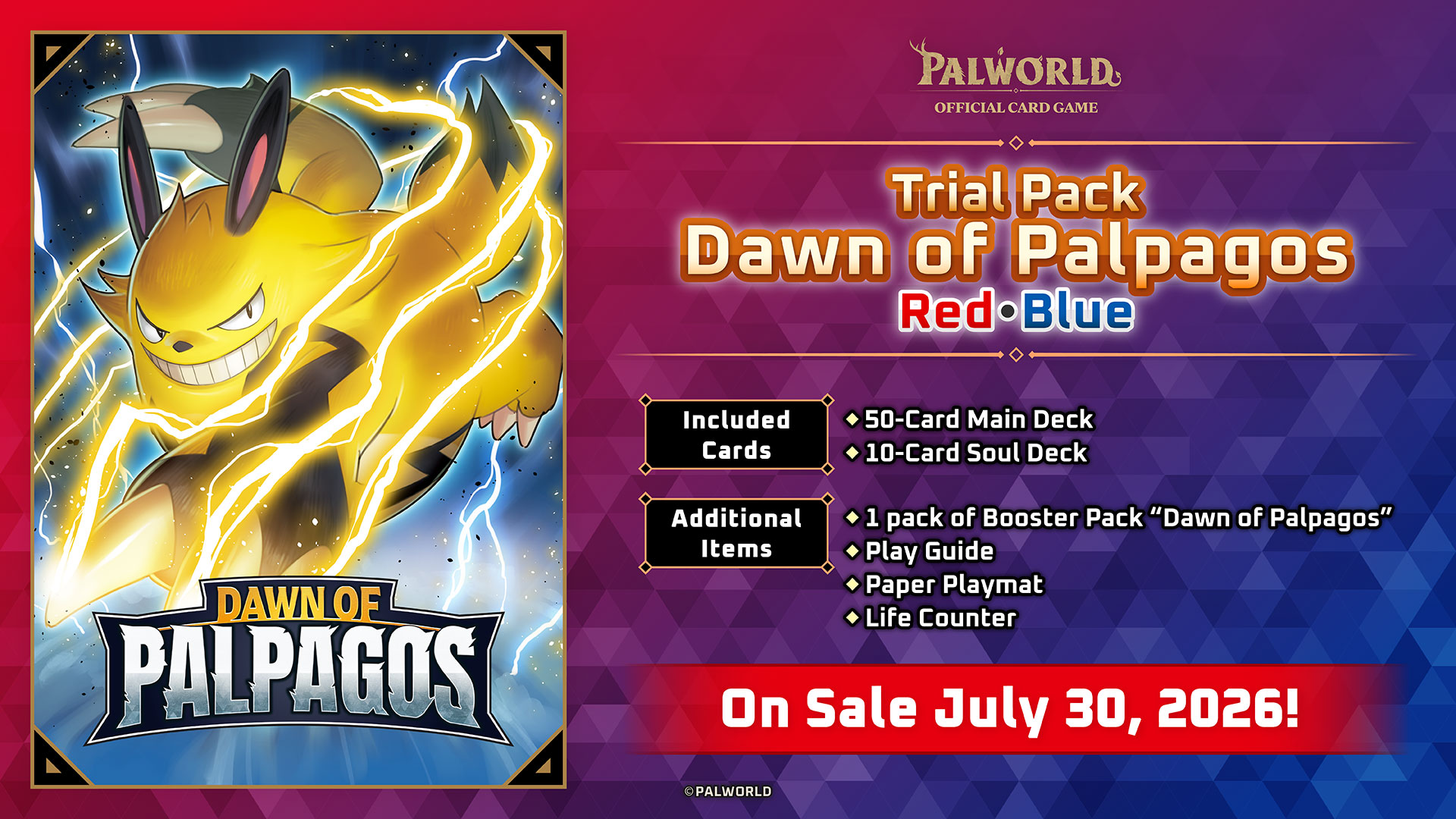
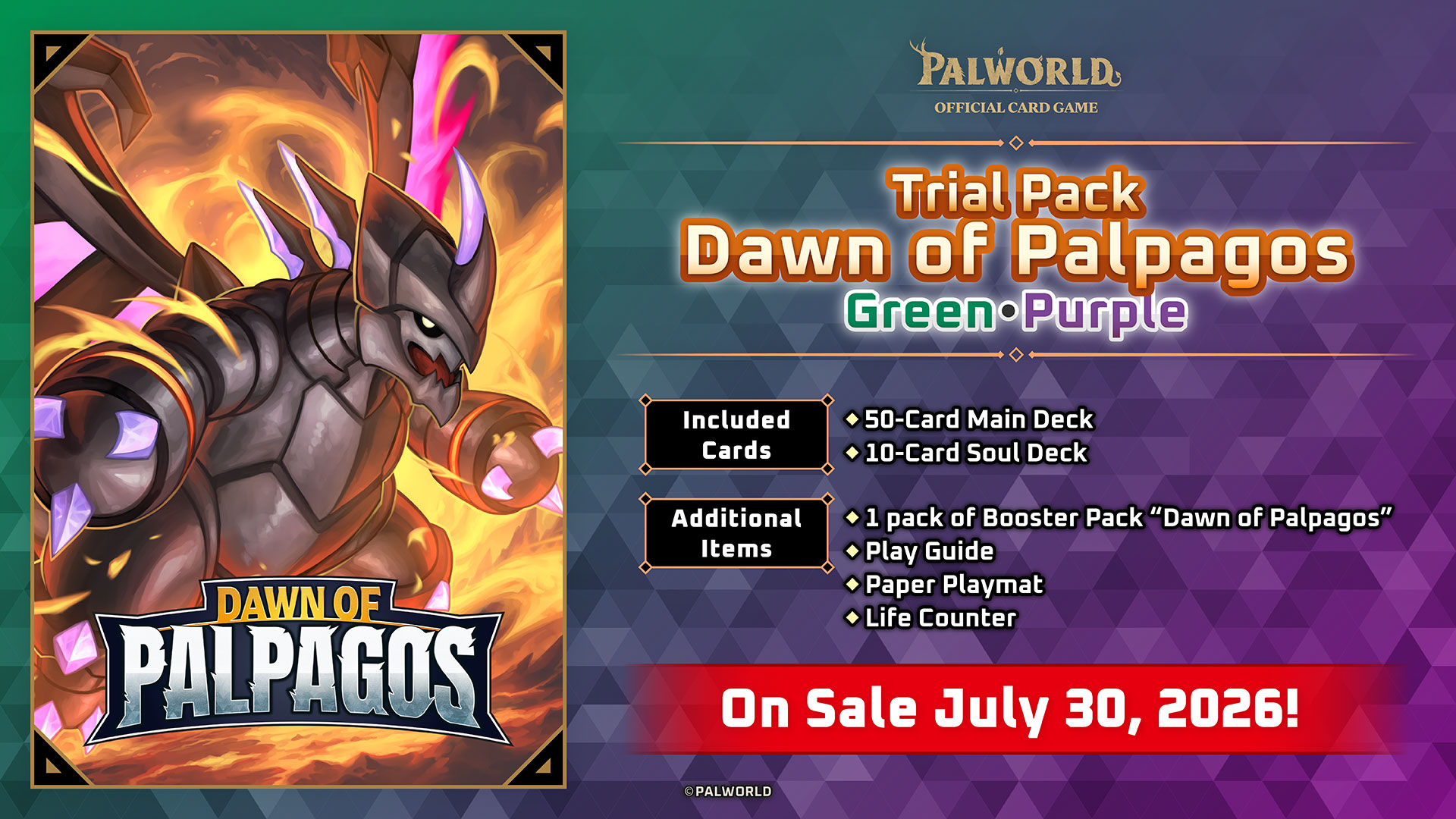


The counts in each product name come from the official product listing — where a count is not stated there, we do not invent one. We publish no recommended retail price: retail pricing varies by country and shop, and a number we cannot source would rot within a week. What we can show is the recent sold median for these products, above — and that is the number a too-good-to-be-true storefront price fails against. Read the confidence label as well as the figure: a thin sample can put the ladder out of order, and a rough number resting on a handful of sales is not yet a market — see how we price.
Have one of these? Check what yours is worth →
The other threat: counterfeit cards
No counterfeit Palworld card has been reported in the community as of 2026-08-03 — we looked, across the public collector spaces, and found none. That is not a promise it will never happen; the same fakes circulate for every popular card game, and the incentive grows with the price of the chase cards. The checks below are here so you already know them when it starts, and they cost nothing to run in the meantime.
What does already circulate on marketplaces under the "Palworld TCG" name is a class of item that is not even a fake of a real card — invented cards that exist in no official set. Most give themselves away in the listing title, before you ever see the cardstock.
Rule one: read the card code
Every genuine card carries a set-prefixed code. These are the real printing prefixes, straight from the official card list our catalogue is built on:
| Set | Genuine code patterns |
|---|---|
| Palworld Booster Pack 01 | BP01-### / EBP01-### |
| Event Soul promos | SOUL-### / ESOUL-### |
| Event promo cards | EPR-### |
| Trial Deck "Dawn of Palpagos Red/Blue" | TD01-### / ETD01-### |
| Trial Deck "Dawn of Palpagos Green/Purple" | TD02-### / ETD02-### |
| Palworld Booster Pack 02 "Legends Awaken" | BP02-### / EBP02-### |
| Anime Expo 2026 Demo Caravan Deck singles | DEMO-### |
| Sleeve & Card Set Vol.1 | SS01-### |
| Trial Deck "Eternal Ascent Red・Green" | TD03-### / ETD03-### |
| Trial Deck "Eternal Ascent Blue・Purple" | TD04-### / ETD04-### |
| Palworld Booster Pack 03 (untitled) | BP03-### / EBP03-### |
The widely-circulating fakes use code families that appear in no official set at all: PW-SSR-### · PW-SCR-### · PW-VPR-### · PW-EX-### · PW-UR-### · PW-SER-###. A "PW-" prefix is the single most reliable tell — no genuine Palworld TCG card uses one. Listings full of "SSR", "SCR", "UR" or "VPR" rarity talk are borrowing vocabulary from other games' bootleg runs; none of those are Palworld rarity codes (the real tier list is in the price guide).
The other card tells
- Real vocabulary, invented card. The most convincing fakes reuse genuine terms on a card that does not exist — a real rarity code attached to a character that has no printing, or a code number far beyond where the official set stops. If the code checks out but the card doesn't feel right, look the code up here: a genuine printing has a page; an invented one does not.
- Characters that aren't in the card game. The video game has far more Pals than the card game has cards. A card of a Pal that has no entry in the official card list is not a rare variant — it is merchandise at best.
- Invented finishes. "Gold holo", "rainbow secret" and similar finish claims that match no official rarity code are a bootleg-run signature.
- "1st Edition" as a premium stamp. On this game, "1st Edition" is a label on the launch print run's packaging — not a per-card stamp, and not a scarcity tier. A listing leaning on it as the value story is at best confused.
- Fantasy pricing on fantasy cards. Bootleg listings often carry spectacular asking prices precisely because no real market exists for an invented card. Asking prices are not prices — check what actually sells.
Not a fake: the misprinted first-run packaging
The most common "is this a fake?" question about this game right now is not about a card at all. The first English print run of the sealed product misspells the game's own name on the packaging — and it does so on every unit of that run, which the publisher has acknowledged and said will be corrected in reprints. That is legitimate factory variation: real product from the licensed printer with a real mistake on it. It is not a counterfeit tell, and it is not a rarity either — an error on 100% of a print run is an edition marker, not something scarce.
Both spellings are genuine, and neither one tells you anything about authenticity: the misprinted packaging is the first run, and corrected packaging is a later run doing exactly what the publisher said it would. Do not pay a premium for one or reject the other on that basis. The full explanation, and what our sold record can and cannot show about it, is in the misprint guide.
The two-minute card check before you buy
- Find the code on the card (or demand it from the seller — a seller who won't show the code is your answer).
- Match the prefix against the genuine patterns above. A
PW-prefix: walk away. - Look the card up here — search the code from any page. A genuine printing has a page with its printed rarity and, when it has sold, real completed-sale prices with receipts. If we don't have the card, that is worth treating as a red flag on a "rare" listing: our catalogue covers the official card list.
- Compare against completed sales, not asks. If a listing's story only works at its asking price, the story is the product.
We filter these code families out of our own data before anything is priced — a counterfeit sale never enters a median here (see how we price). If you run into a lookalike storefront or a fake pattern we should know about, contact@palworldprices.com reaches a person, and it will be added here with its date and source.
Companion guides: the price guide · how we price · the “Palword” misprint · identify a card.